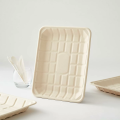
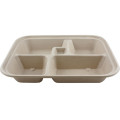
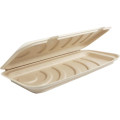
Single-use plastic pollution has become a global environmental problem, and countries have introduced "plastic ban orders" to promote the development of green alternatives. Compostable tableware made from Sugarcane Bagasse has emerged. It utilizes the by-product of the sugar industry - sugarcane bagasse fibers, and is made into strong and durable plates through high-temperature molding technology.This kind of product not only realizes the resource utilization of agricultural waste, but also has excellent waterproof and oil-proof performance and biodegradability, which is an ideal choice to replace traditional plastics and foaming tableware.
?
?
1. Core information
Material: 100% bagasse fiber (non-wood pulp), renewable plant fiberColor: Natural white/natural color (no chemical bleaching)
Size specifications: Common diameters include 6 inches (15cm), 7 inches (17.8cm), 9 inches (22.9cm), 10 inches (25.4cm), etc
Shape: Circular flat plate
Temperature resistance:It can withstand a temperature range of -18℃ to 120℃, making it suitable for holding frozen foods and hot soups and oils. It can be used for microwave heating (recommended time: ≤3 minutes) and can also be stored in the refrigerator.
Security certification:Through FDA (US Food and Drug Administration), BPI (Compostable certification) and other international standards.No PFAS coating, non-toxic and tasteless, no bisphenol A and other harmful substances.
?
2. Main advantages
Green environmental protection: From agricultural waste, to achieve "waste into treasure", help circular economy.
Safe and reliable: Through a number of international food contact materials certification, can be served directly food.
Strong function: Waterproof and oil proof, high temperature resistance and pressure resistance, not easy to deformation and leakage.
Brand image enhancement: The use of biodegradable products to highlight corporate social responsibility, in line with the ESG trend.
?
3. Application scenarios and applicable industries
Catering takeaway: Togo packing box with main plate, enhance brand image and environmental value.Wedding/Party/festival events: Replace traditional plastic or paper decorative plates, balancing aesthetics and ecological responsibility.
School and unit canteens: They are used for centralized meal supply and facilitate the unified disposal of kitchen waste.
Supermarket fresh food packaging: Pre-packaged trays for fruits, meats and vegetables, which have both preservation and compostable functions.
?
The white compostable bagasse disc, with its three core advantages of sustainable raw materials, safe use and biodegradability at the end, has become one of the mainstream eco-friendly tableware worldwide.Whether catering businesses upgrade packaging, or individual consumers pursue green life, it is an ideal choice with both practical and environmental value.


 Guangdong Shiteng Wisdom Technology Co., Ltd.







 Contact Now